Gili Air is often seen as the middle ground of the Gili Islands, sitting somewhere between the nightlife and energy of Gili Trawangan and the quieter atmosphere of Gili Meno.
For many travellers, that balance ends up being exactly what they’re looking for. There’s enough going on to keep things social and interesting, but without the heavier party atmosphere that Gili Trawangan is known for.
Although tourism has grown heavily across the Gili Islands over the years, this gorgeous island still manages to hold on to much of its relaxed local atmosphere. In this guide, we’ll run through the basics of what to expect from one of the most popular islands off the coast of Lombok.
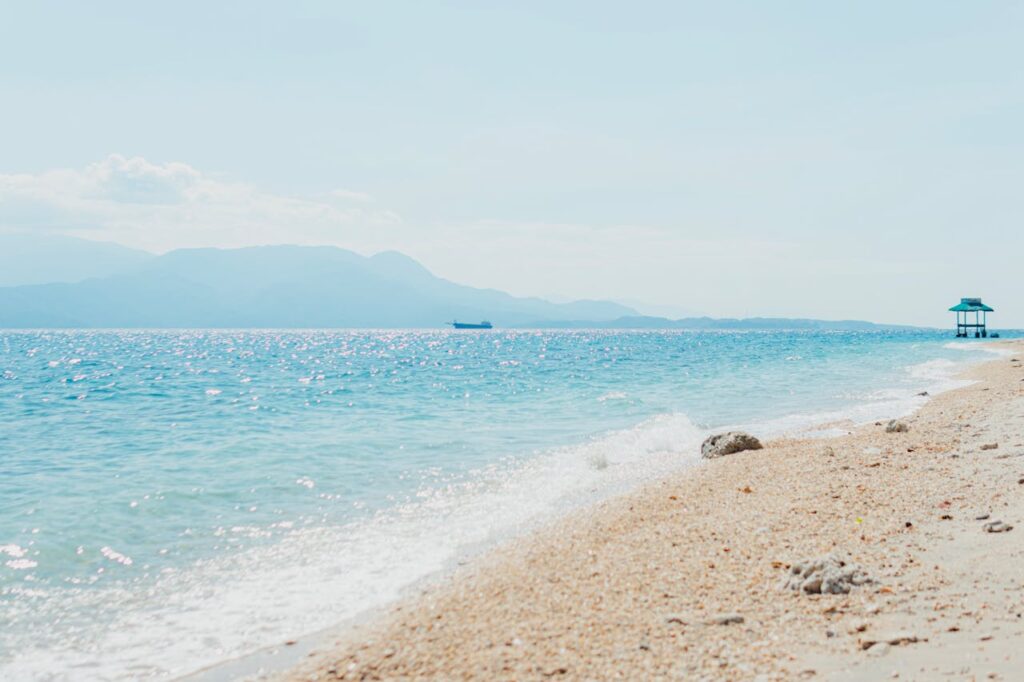
TL;DR, Summary Of Gili Air
- Gili Air sits somewhere between the nightlife of Gili Trawangan and the slower pace of Gili Meno, making it one of the most balanced islands in the Gilis.
- The island is popular for snorkelling, diving, beach cafes, yoga, sunsets, and slower island life without feeling too isolated or sleepy.
- Gili Air is especially popular with solo travellers, couples, and people wanting a longer, more relaxed stay while still having plenty going on.
- Despite the growing tourism scene, it still manages to hold on to much of its laid-back local atmosphere and connection to neighbouring Lombok.
Where Is Gili Air?
Gili Air is located off the northwest coast of Lombok in North Lombok Regency, West Nusa Tenggara Province, Indonesia. It sits between Gili Meno and Gili Trawangan as part of the Gili Islands group.
Of the three islands, it’s the closest to Lombok itself, with clear views across the water towards the mainland and Mount Rinjani.
Although still a relatively small island, Gili Air has become one of the most popular of the Gilis thanks to its balance of tourism, local life, beaches, diving, and slower island atmosphere.

How To Get To Gili Air
The most common way to get to Gili Air is by fast boat from Bali, with services regularly leaving from Padang Bai, Sanur, and Serangan. Depending on sea conditions and departure point, the journey usually takes between 1.5 and 4 hours.
If you’re already on Lombok, local boats and public boat services regularly travel across from Bangsal Harbour and nearby ports on the Lombok coast. Gili Air is also well connected to Gili Meno and Gili Trawangan through short island-hopping boat rides between the islands.


About Gili Air
On the map, Gili Air is the easternmost of the three Gili Islands, but as far as the vibe goes, it’s the middle of the three islands. There’s a balance here between the social atmosphere of Gili Trawangan and the quieter pace of Gili Meno.
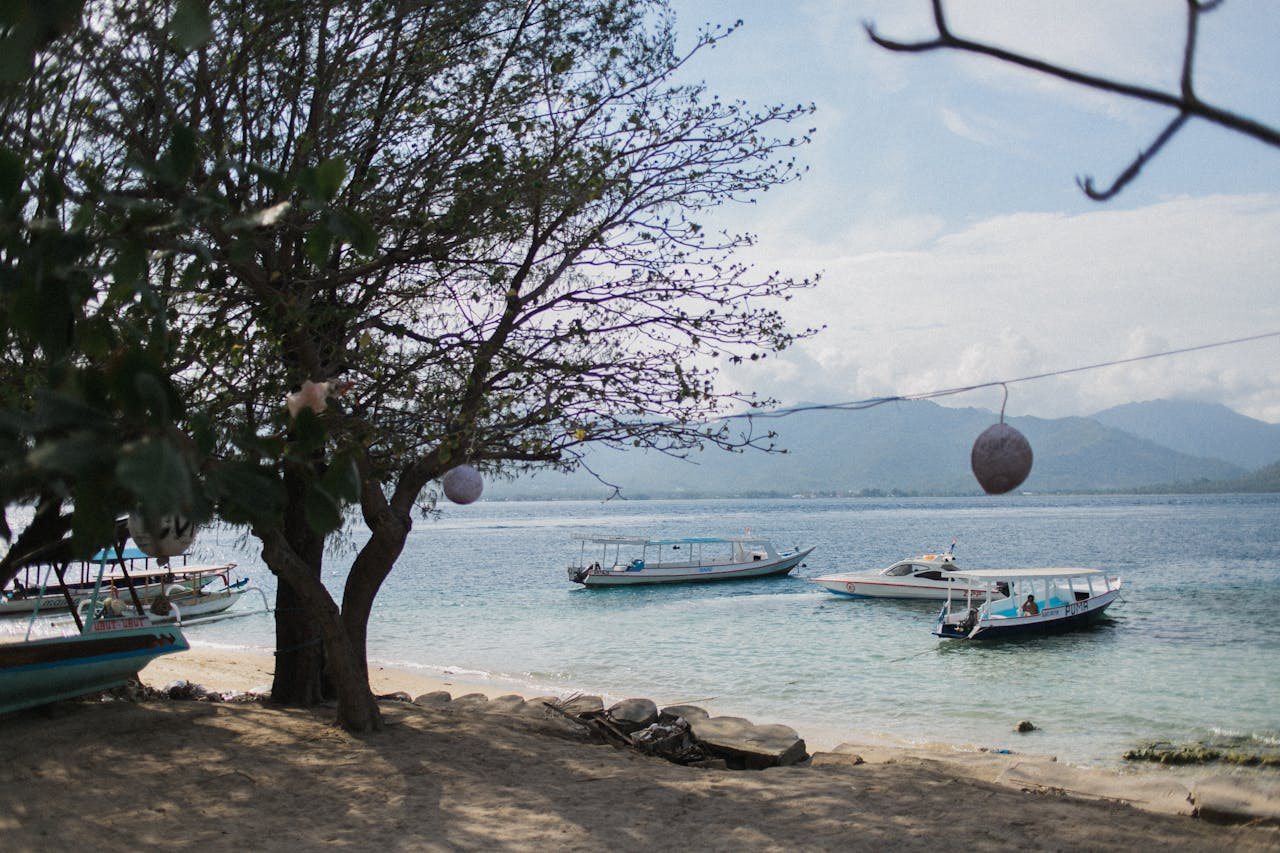
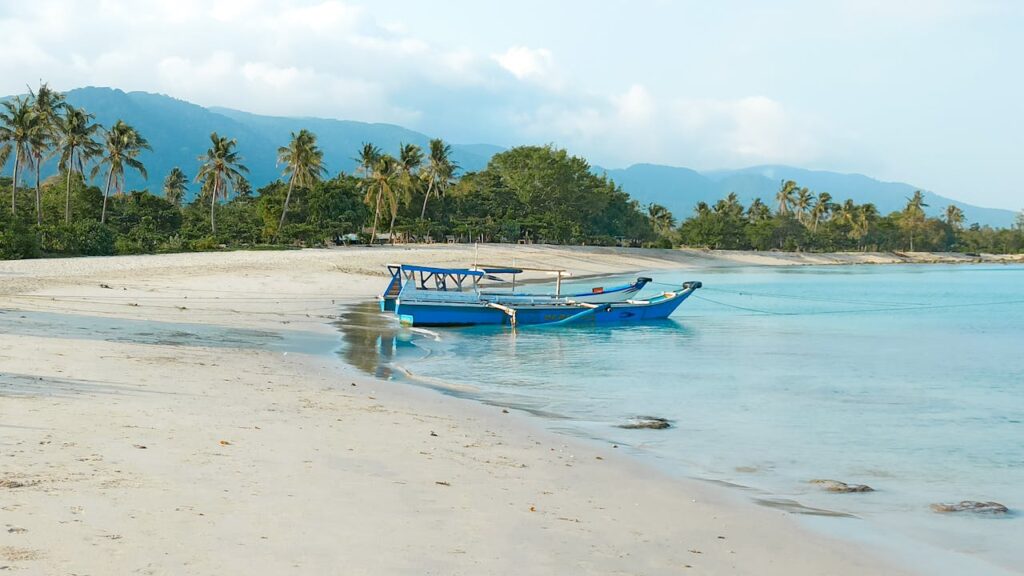
Like the other Gilis, it’s a small coral island surrounded by white sand beaches, coral reefs, and clear water, with no motorised vehicles anywhere on the island.
The word “Gili” means “tiny island” in the local Sasak language, and despite the tourism industry, daily life on Gili Air is still closely connected to neighbouring Lombok. Bahasa Indonesia and the Sasak language are commonly spoken, Islam is the main religion, and local village traditions still play an important role in island life.
Compared to Gili Trawangan, Gili Air generally feels calmer and less crowded, although there are still plenty of cafes, bars, dive shops, restaurants, yoga spaces, and accommodation spread around the island. Over the years, it has become especially popular with travellers looking for a slower and more liveable island atmosphere without feeling too isolated.
Things To See And Do In Gili Air
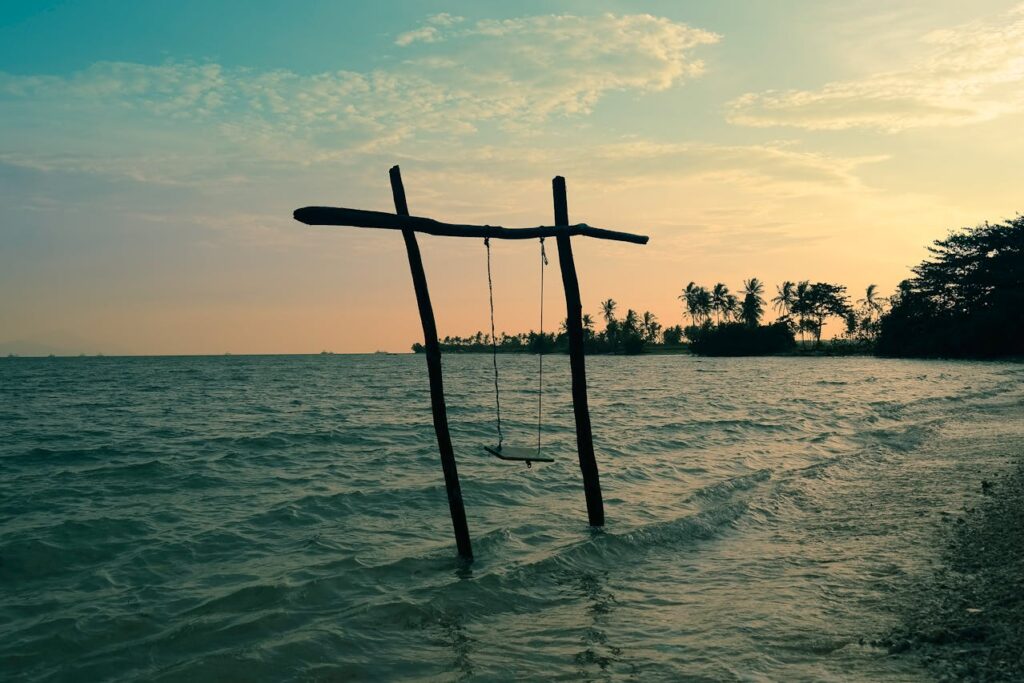
Arrive on Gili Air with a rough plan, then slow it down almost immediately on arrival, at least that’s what most people do!
There is plenty to do, however, despite being far more relaxed than nearby Gili T, with a lot of activities revolving around the beach, sea, food, and slower island life.
Explore Gili Air On Foot
Gili Air is small enough to walk around fairly easily, with coastal paths circling the island past beaches, cafes, dive shops, bars, resorts, and quieter local areas. A lot of people spend their days simply wandering around without much of a plan, stopping for coffee, food, a cold drink, or a swim along the way.
Scuba Diving
Scuba diving is one of the biggest activities on Gili Air, with dive centres and dive sites spread across the island. The waters surrounding the Gilis are known for coral reefs, sea turtles, reef fish, and clear visibility, making the area popular with both beginner and experienced divers.
Snorkelling
Snorkelling is easily accessible around Gili Air, with coral reefs and marine life visible just offshore in some areas. You can snorkel straight from the beach, with masks and tubes for hire if you don’t have your own equipment. Alternatively, sign up for a snorkelling tour, which will take you to spots further out.
Some parts of the coastline can become very shallow during low tide, exposing sharp coral in places. The East Coast is generally a bit easier for casual swimming and snorkelling, although conditions change throughout the day. Reef shoes can still be a good idea if you plan on spending a lot of time in the water.
Chill Out
A big part of Gili Air’s appeal is simply slowing down for a while. Many travellers spend their days sitting by the beach, relaxing at cafes, reading by the pool, getting massages, or watching the ocean without feeling the need to constantly do something.


Eat And Drink
Gili Air has a wide mix of cafes, restaurants, beach bars, and smaller local warungs spread around the island. Compared to Gili Meno, there’s a lot more choice, although the atmosphere still generally feels calmer and less nightlife-focused than Gili Trawangan.
If you like Ed Sheeran and Bob Marley covers, then you’re in luck. Live music is common around Gili Air, especially in the evenings around the beach bars and restaurants.
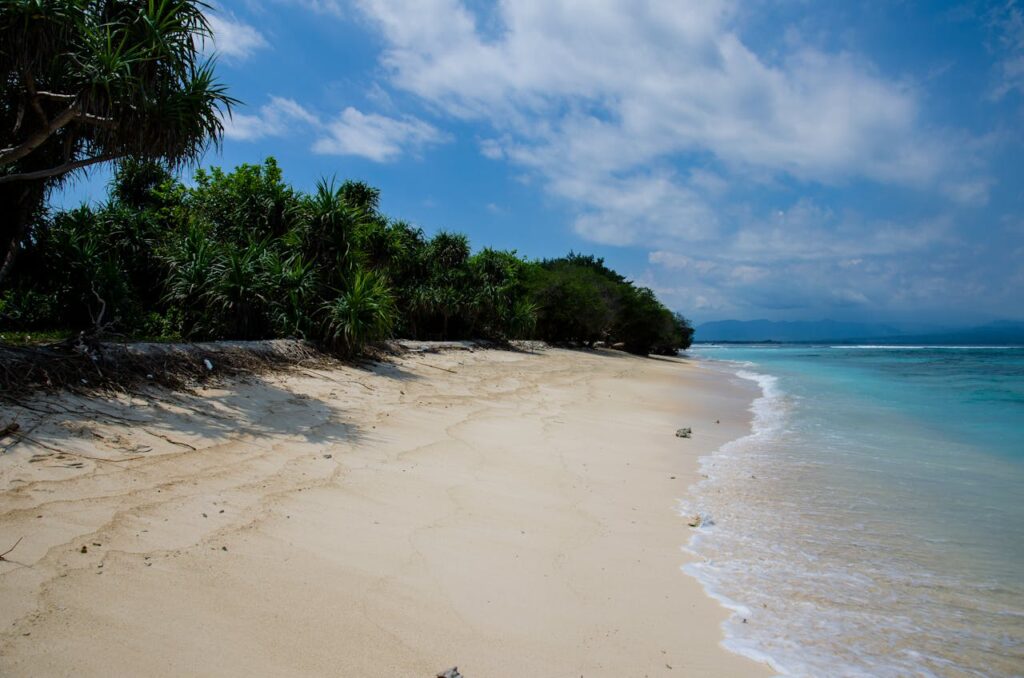
Island Hopping
Because the islands sit so close together, island hopping for day trips from Gili Air is easy. Local boats regularly travel between Gili Air, Gili Meno, and Gili Trawangan, making it possible to explore all three during your stay.
Cooking Class
Cooking classes are available on Gili Air, usually focusing on Indonesian and local Lombok-style dishes. For travellers staying a little longer, they can be a fun way to experience more of the local food culture beyond the beachfront restaurants and bars.
Why So Many Travellers End Up Choosing Gili Air
Gili Air sits somewhere in the middle between Gili Trawangan and Gili Meno, vibe-wise, that is, not geographically, and for many travellers, that balance ends up being exactly what they’re looking for. It’s quieter and less crowded than Gili T, but still has enough bars, restaurants, dive shops, yoga classes, and social atmosphere to stop it from feeling too sleepy.
A lot of people who go to Gili Air for the first time end up staying longer than planned, especially those looking for a slower island lifestyle without completely disconnecting from everything. Days often revolve around snorkelling, scuba diving, beach cafes, sunset drinks, walking around the island, or simply relaxing by the ocean with a cold drink.
Compared to some of the other Gili Islands, Gili Air can also feel slightly more livable for longer stays, especially for solo travellers, couples, and people wanting a calmer base while still having plenty around them.
When Is The Best Time To Visit Gili Air?
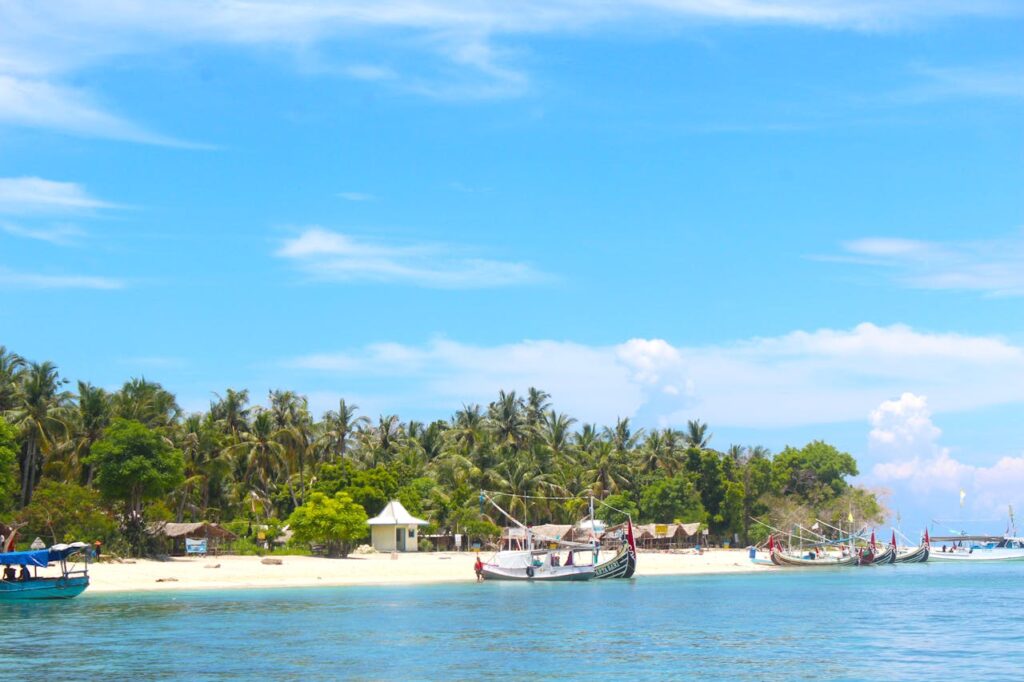
Like the other Gili Islands, Gili Air is a great year-round destination; it mostly depends on the sort of atmosphere and trip you’re looking for.
The dry season, from around May until October, usually brings sunnier weather, calmer seas, gorgeous sunsets, and better conditions for diving, snorkelling, and boat trips. This is generally the busiest time of year, although Gili Air still tends to feel calmer and more relaxed than nearby Gili Trawangan.
The rainy season is quieter and greener, with fewer crowds and slightly lower accommodation prices in some places. Rain normally comes in shorter bursts rather than lasting all day, so you’ll still get plenty of clear sky. Rough seas can occasionally affect boats from Bali and Lombok, and snorkelling visibility isn’t the best this time of year.
For many travellers, Gili Air works especially well as a first visit to the Gilis because it sits somewhere in the middle, social without feeling too hectic, but still lively enough that the island never feels completely sleepy.


Where To Eat And Drink In Gili Air
Food and drink are a big part of life on Gili Air, with people often drifting between beach cafes, sunset bars, coffee spots, and local warungs throughout the day. Compared to Gili Trawangan, things generally feel a bit slower and more chilled here, although there’s still plenty of choice on the island.
- Legend Bar – One of the more social late-night spots right on the northern tip. Known for live music, sunsets, drinks, reggae vibes, and chilled nights that often end up going on longer than planned.
- Pituq Cafe – Popular cafe and restaurant known for healthy food, vegetarian and gluten-free options, breakfast, smoothie bowls, and good coffee.
- Mowie’s Gili Air – Beachfront restaurant and sunset bar popular for cocktails, food, happy hour, and sunset views looking out across the ocean.
- Mama Pizza Gili Air – One of the better-known Italian spots on the island, popular for proper pizzas and pasta with a sunset view. They do a great tiramisu here, by the way.
- Pachamama Organic Cafe – A bohemian-style cafe, villa, and spa space on the quieter north side of Gili Air, popular for whole foods, smoothies, coffee, and even cocktails. Also, a good option for vegan and gluten-free food.
Where To Stay In Gili Air
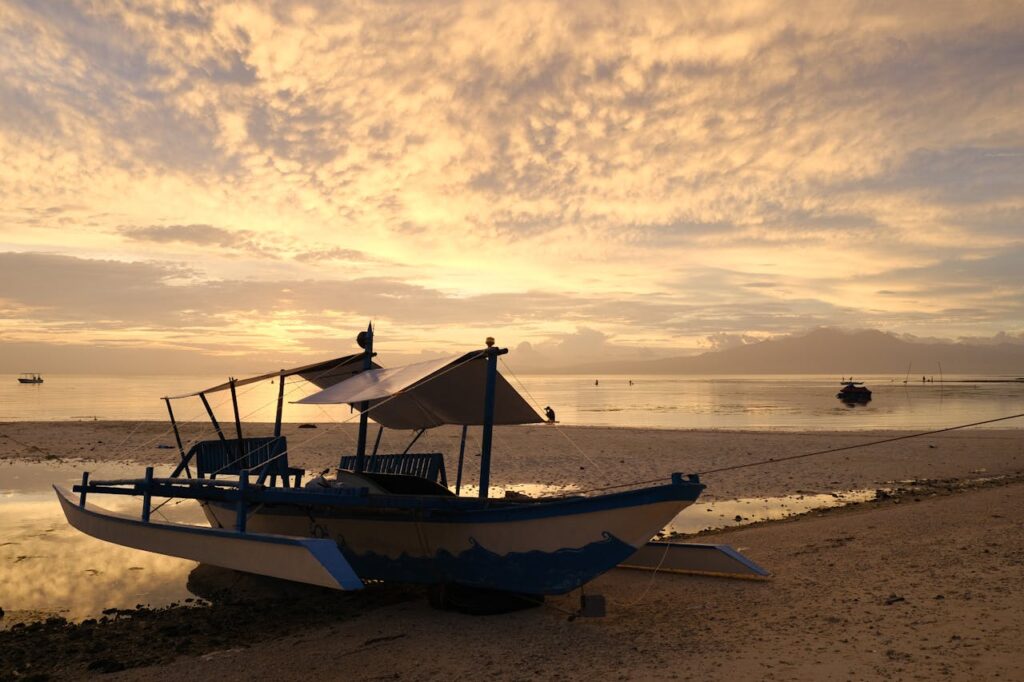
Gili Air has a wide mix of accommodation, ranging from backpacker stays and smaller homestays to stylish villas and beachfront resorts with private pools. Whether you want something social, romantic, quiet, or simply somewhere comfortable to slow down for a few nights, there are plenty of options spread around.
- Slow Spa and Villas – One of the more stylish and wellness-focused stays on Gili Air, popular with couples and travellers looking for a quieter atmosphere, yoga vibes, spa treatments, and private pool villa options.
- PinkCoco Gili Air – Adults-only beachfront stay known for stylish rooms, air conditioning, shared pool areas, and a chilled atmosphere popular with couples and slower travellers. Apparently, wearing pink at the restaurant can even get you a discount.
- Captain Coconuts Gili Air – Popular tropical-style stay with shared pool villas, outdoor bathrooms, healthy breakfasts, and a social but easy-going atmosphere close to the beach.
- Musa Villas & Bungalows – Smaller villa-style accommodation with lovely rooms, tropical gardens, and a quieter location away from the busier area.
- H2O Yoga and Meditation Resort – Well-known stay combining accommodation, yoga, wellness, and slower island living, popular with solo travellers and longer stays on Gili Air.
Where To Go From Gili Air
Gili Air keeps some people for longer than they plan, but everyone moves on sooner or later, and when it’s that time, it’s easy to find the next place.
Gili Meno And Gili Trawangan
Gili Meno and Gili Trawangan are both only a short boat ride away from Gili Air, making island hopping super easy. Many travellers end up visiting all three islands during the same trip, especially because each has a noticeably different atmosphere.
Gili Meno is quieter, slower-paced, and more popular with couples and honeymooners, while Gili Trawangan is known for nightlife, beach bars, diving, and a more social atmosphere.


Lombok
Lombok is just across the water from Gili Air, with local boats and public boat services regularly travelling between the islands and Bangsal Harbour.
Compared to Bali, Lombok generally feels less developed and less touristy, with waterfalls, beaches, mountain scenery, villages, and surf spots spread across the island. Mount Rinjani, one of Indonesia’s most famous volcanoes, also towers over the skyline from Gili Air on clear days.
Back To Bali
Fast boats regularly connect Gili Air with Bali, usually heading towards Padang Bai, Sanur, or Serangan, depending on the operator. Many travellers head back towards places like Canggu or Ubud after spending a few days chilling out in the Gilis.
Practical Tips For Visiting Gili Air
- Parts of the coastline can become very shallow during low tide, exposing sharp coral in places. Reef shoes can be useful if you plan on snorkelling straight from the beach regularly.
- Gili Air is small enough to walk around easily, although bicycles are one of the most popular ways to get around.
- Though generally quieter than Gili Trawangan, there are still plenty of bars, happy hour spots, cafes, and beach restaurants spread around the coastline.
- Although the island feels relaxed, local customs and Muslim culture still play an important role in island life.
- Most restaurants, hotels, and cafes accept cards nowadays, although carrying some cash is still a good idea, as sometimes the system goes down, and the ATMs with it.
- The sun can be very strong on Gili Air, even during the wet season, so don’t underestimate it. Shade, water, and reef-safe sunscreen quickly become your best friends after a few hours out on the beach or in the sea.
FAQs
Why Are There No Motorised Vehicles On The Gili Islands?
Motorized vehicles were never widely introduced to the Gili Islands, partly because of their small size and slower island way of life. Instead, most people get around by foot, bicycle, or by using small horse-drawn carts known locally as cidomo.
Over time, the lack of traffic has become one of the things the Gilis are most known for, helping give the islands a quieter and more relaxed atmosphere compared to many other tourist destinations in Indonesia.
Is Gili Air Better For Longer Stays?
For many travellers, yes. Gili Air tends to suit longer stays better than some of the other islands, thanks to its balance between social atmosphere and slower island life.
There are enough cafes, bars, restaurants, yoga spaces, dive centres, and accommodation on the island to keep people comfortable for longer periods, without feeling as busy or nightlife-focused as Gili Trawangan.
It’s a great place to camp out if you have something to do, like finish your blog post, or maybe you just want to escape the world for a while.
Is Gili Air Good For Solo Travellers?
Yes, definitely. Gili Air is actually one of the most popular of the Gili Islands for solo travellers, mainly because it strikes a balance between social atmosphere and slower island life.
There are enough cafes, beach bars, yoga spaces, and restaurants on the island to make meeting people fairly easy, without the heavier party atmosphere of Gili Trawangan. A lot of solo travellers end up staying longer than planned once they settle into the slower rhythm of the island.
Can I Party Late On Gili T Then Return To Gili Air?
Yes… But don’t completely rely on it.
Public boats between the islands usually stop running by around 4:30 pm or so, although private speedboats sometimes continue operating later into the evening, often until around 10 pm or beyond, depending on demand, weather, and who’s working.
That said, nothing is really guaranteed late at night, especially during rough weather or quieter periods, so party late on Gili T at your own peril unless you’re happy paying extra or potentially needing to stay there longer than planned.
Final Thoughts On Gili Air
Gili Air has become popular for travellers wanting a bit of everything without going too far in either direction. It’s social without feeling as hectic as Gili Trawangan, but still has more going on than the slower pace of Gili Meno.
Whether you’re coming for diving, snorkelling, beach days, yoga classes, or simply to slow down for a while, Gili Air tends to strike a balance that a lot of travellers end up enjoying.